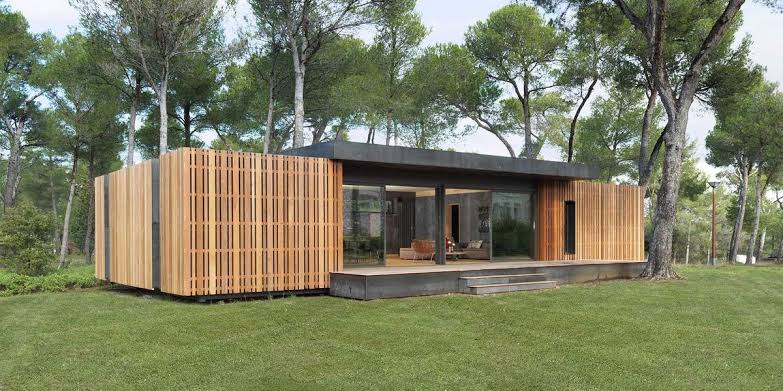
A home is more than a collection of rooms, walls, windows and doors. It is a place where families create memories, relax after a busy day and build their future. As lifestyles continue to change, homeowners are looking for more than traditional construction. They want homes that are attractive, comfortable, energy-efficient, practical and designed around the way they actually live. This is where innovative home design and construction can make a meaningful difference.
Modern home design combines creativity, technology, functionality and sustainable construction practices. From open-concept living areas and smart home systems to energy-efficient materials and flexible spaces, innovative construction allows homeowners to create properties that are prepared for today’s needs and tomorrow’s lifestyle.
What Is Innovative Home Design?
Innovative home design focuses on creating spaces that solve everyday problems while improving comfort, appearance and efficiency. Instead of simply following traditional floor plans, designers consider how homeowners use every part of the property.
An innovative home may include multifunctional rooms, large windows for natural light, intelligent storage solutions, energy-saving systems, modern kitchens, comfortable outdoor spaces and technology that can be controlled from a smartphone.
The goal is not necessarily to make a home complicated or expensive. Good innovation often means finding simple and practical ways to make a home work better.
The Importance of Thoughtful Home Planning
Successful construction starts long before the first foundation is installed. Proper planning helps homeowners establish priorities, understand costs and avoid unnecessary changes during construction.
A well-planned project should consider the size of the property, family requirements, lifestyle, future needs, natural light, ventilation, storage and energy consumption. Homeowners should also think about how the property may need to change over the next five, ten or twenty years.
For example, a young family may need open living areas and children’s rooms today but may require a home office, guest room or flexible space in the future. Designing with flexibility in mind can make the property more useful for a longer period.
Open and Flexible Living Spaces
Open-concept design remains popular because it creates a feeling of space and improves interaction between different areas of the home. Instead of separating the kitchen, dining area and living room with multiple walls, modern designs often connect these spaces.
However, innovative design is not simply about removing walls. It is about creating flexible spaces that can serve multiple purposes.
A large living area can incorporate a reading corner, workspace, entertainment zone or children’s play area without making the home feel crowded. Sliding doors, movable partitions and furniture placement can help homeowners change the function of a room when needed.
This approach is particularly useful for modern families who want their homes to adapt to different activities throughout the day.
Smart Home Technology
Technology has become an important part of modern construction. Smart home systems can improve convenience, security and energy management.
Homeowners can install smart lighting, automated blinds, smart thermostats, security cameras, video doorbells and connected appliances. Many of these systems can be managed remotely through mobile applications or integrated into a central home automation system.
Smart lighting can automatically adjust according to schedules or occupancy. Smart thermostats can help regulate indoor temperatures more efficiently, while security systems can provide homeowners with alerts when unusual activity is detected.
The best approach is to plan technology during construction rather than attempting to add every feature later. Proper wiring, electrical layouts and network infrastructure can make future upgrades much easier.
Energy-Efficient Home Construction
Energy efficiency is one of the most valuable aspects of innovative construction. A well-designed energy-efficient home can provide greater comfort while reducing unnecessary energy consumption.
Insulation, high-performance windows, efficient heating and cooling systems, LED lighting and energy-efficient appliances can all contribute to better performance.
The position of windows and rooms can also influence energy use. Homes designed to take advantage of natural daylight may require less artificial lighting during the day. Proper ventilation and insulation can help maintain comfortable indoor temperatures throughout different seasons.
For homeowners, energy-efficient construction can be both an environmental choice and a long-term financial decision.
Sustainable Materials and Construction
Sustainability is becoming increasingly important in residential construction. Innovative home design can incorporate materials and building practices that reduce environmental impact without sacrificing quality.
Depending on the project, homeowners may consider responsibly sourced wood, recycled materials, low-VOC finishes, durable flooring and energy-efficient building products.
Choosing durable materials is particularly important. A product that lasts longer may reduce the need for frequent replacement and maintenance.
Sustainable construction should also consider waste reduction. Careful material planning, responsible disposal and efficient construction methods can help minimize unnecessary waste during a project.
Natural Light and Better Ventilation
Natural light can dramatically change the atmosphere of a home. Large windows, skylights, glass doors and thoughtfully positioned openings can bring more daylight into living spaces.
Natural light can make rooms appear larger and create a brighter, more welcoming environment. It can also reduce dependence on artificial lighting during daylight hours.
Ventilation is equally important. A well-designed home should encourage healthy airflow while maintaining energy efficiency. Properly positioned windows and ventilation systems can help improve indoor comfort and air quality.
Rather than treating windows as purely decorative features, innovative designers consider their relationship with sunlight, airflow, privacy and energy performance.
Innovative Kitchen Design
The kitchen is often one of the busiest areas of a home, so its design should combine appearance with practicality.
Modern kitchens may feature large islands, integrated appliances, hidden storage, pull-out cabinets, organized pantry systems and durable countertops. An island can provide additional preparation space while also functioning as a breakfast area or social gathering point.
Storage is especially important. Clever cabinet layouts can make use of corners, vertical spaces and otherwise unused areas.
A successful kitchen should support the way the household actually cooks and entertains rather than simply copying a popular design trend.
Modern Bathrooms With a Focus on Comfort
Bathrooms have evolved from purely functional spaces into areas designed for relaxation and personal comfort.
Modern bathroom designs may include walk-in showers, floating vanities, large mirrors, efficient fixtures, heated flooring and improved lighting.
Water-saving fixtures can reduce consumption without compromising everyday usability. Proper ventilation is also essential for controlling humidity and protecting finishes.
Simple design choices such as good storage, appropriate lighting and easy-to-clean surfaces can make a bathroom more comfortable and practical.
Multi-Functional Rooms
One of the most useful innovations in modern home construction is the multi-functional room.
A single room can serve as a home office during working hours, a study area in the evening and a guest room when required. Built-in storage, sofa beds, folding desks and flexible furniture can help homeowners make the most of available space.
This type of design is particularly valuable when property sizes are limited. Instead of constructing more rooms, homeowners can make existing spaces more adaptable.
Outdoor Living Spaces
Innovative home design does not stop at the exterior walls. Outdoor areas can become an extension of the living space.
Patios, balconies, decks, covered seating areas and landscaped gardens can provide additional places for relaxation and entertainment. Outdoor kitchens, lighting and weather-resistant furniture can make these spaces useful for longer periods throughout the year.
Large sliding or folding doors can create a stronger connection between indoor and outdoor areas while allowing homeowners to enjoy natural surroundings.
Designing for Future Needs
A home should not only suit its owners today. It should have the flexibility to adapt to changing circumstances.
Future-ready design can include wider doorways, accessible bathrooms, flexible rooms, additional electrical outlets and layouts that can accommodate changing family requirements.
Planning for future technology is another consideration. Structured cabling, sufficient electrical capacity and suitable spaces for equipment can make future upgrades easier.
Thinking ahead during construction can prevent expensive modifications later.
The Role of Professional Designers and Builders
Innovative ideas need experienced professionals to turn them into practical homes. Architects, designers, engineers and builders each play an important role in the process.
A professional team can help evaluate the site, develop suitable floor plans, select materials, coordinate different construction stages and identify potential issues before they become expensive problems.
Communication is equally important. Homeowners should clearly explain their priorities, budget, lifestyle requirements and preferred design style. Regular communication between the homeowner and construction team can help keep the project aligned with expectations.
Balancing Innovation and Budget
Innovative construction does not always mean choosing the most expensive products or adding every available technology. The key is to invest in features that provide genuine long-term value.
Homeowners can prioritize improvements based on their lifestyle. For one family, an efficient kitchen may be the most important investment. For another, energy efficiency, home automation or a flexible home office may provide greater value.
A realistic budget should include construction costs, materials, professional services, permits where applicable, fixtures, finishes and a contingency amount for unexpected expenses.
Making important design decisions early can also help control costs.
Why Quality Construction Matters
Even the best design can fail if construction quality is poor. Innovative homes require careful attention to structural work, insulation, electrical systems, plumbing, waterproofing, ventilation and finishing.
Quality workmanship can improve durability, safety and long-term performance. Homeowners should therefore look beyond attractive designs and consider the experience, reputation and construction standards of the professionals they hire.
A beautiful home should also be reliable, comfortable and built to last.
Conclusion
Innovative home design and construction is about creating a better way to live. It combines thoughtful planning, modern aesthetics, practical layouts, technology, energy efficiency and durable construction to create homes that respond to the needs of today’s homeowners.
From flexible living spaces and smart technology to sustainable materials, natural light and future-ready features, there are countless ways to make a home more functional and comfortable.
The most successful projects are not necessarily the ones with the most technology or the most dramatic architecture. They are the homes where every design decision has a purpose. By working with experienced professionals and focusing on quality, functionality and long-term value, homeowners can create a property that feels modern today while remaining useful for many years to come.
Innovative home design is ultimately about making the home work better for the people who live in it—and that is what makes thoughtful construction truly valuable.