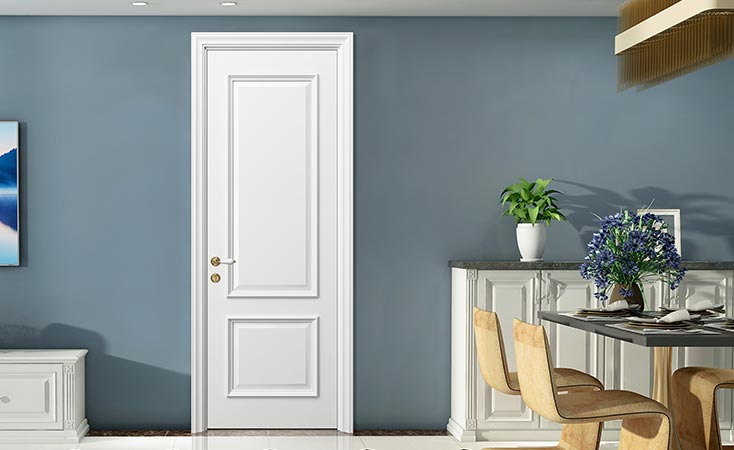
When it comes to interior and exterior door installation, prehung doors have become the preferred choice for homeowners, contractors, and builders alike. Designed for convenience, accuracy, and long-term durability, prehung doors simplify installation while delivering a polished, professional finish. Whether you are renovating a home, building a new property, or replacing old doors, understanding prehung doors can help you make the right investment.
In this comprehensive guide, we’ll explain what prehung doors are, their benefits, types, materials, installation process, and how to choose the perfect prehung door for your space.
What Are Prehung Doors?
A prehung door is a door unit that comes already mounted within its frame. The complete assembly includes:
-
The door slab
-
Hinges (pre-installed)
-
Door frame (jamb)
-
Strike plate
-
Sometimes a pre-drilled hole for the handle or lock
Unlike slab doors, which require separate framing and hinge installation, prehung doors arrive ready to install into a prepared doorway. This all-in-one design ensures proper alignment and smooth operation right from the start.
Why Choose Prehung Doors?
Prehung doors offer several advantages that make them a popular option for residential and commercial projects.
1. Easy and Accurate Installation
Since the door is already mounted and aligned within the frame, installation is quicker and more precise. This reduces the chances of uneven gaps, sticking doors, or misaligned hinges.
2. Professional Finish
Prehung doors deliver a clean, uniform appearance that enhances the overall look of your space. They sit perfectly square in the opening, providing a seamless and polished finish.
3. Ideal for New Construction
For new builds or major renovations where framing is exposed, prehung doors are the most efficient choice. They integrate easily into rough openings.
4. Improved Durability
Because the door and frame are designed to work together, prehung doors often perform better over time, with less wear on hinges and hardware.
5. Time and Cost Efficiency
Although prehung doors may cost slightly more upfront than slab doors, they often reduce labor costs and installation time, making them cost-effective overall.
Types of Prehung Doors
Prehung doors are available in various styles to suit different needs and design preferences.
1. Interior Prehung Doors
Used inside the home, these doors are typically lighter and focus on aesthetics rather than insulation. Common interior prehung doors include:
-
Bedroom doors
-
Bathroom doors
-
Closet doors
-
Office doors
They are available in panel, flush, frosted glass, and modern minimalist designs.
2. Exterior Prehung Doors
Exterior prehung doors are designed for durability, security, and energy efficiency. They often include weatherstripping and threshold components to protect against the elements.
Popular exterior options include:
-
Front entry doors
-
Patio doors
-
Back and side doors
Popular Materials for Prehung Doors
Choosing the right material is essential for performance, appearance, and longevity.
1. Solid Wood Prehung Doors
Solid wood doors offer timeless beauty, warmth, and natural grain patterns. They are ideal for interior use and high-end exterior applications.
Pros:
-
Premium appearance
-
Excellent sound insulation
-
Can be refinished
Cons:
-
Higher cost
-
Sensitive to moisture and temperature changes
2. MDF and Engineered Wood Doors
These doors provide a smooth finish and consistent quality, making them ideal for painted interior doors.
Pros:
-
Affordable
-
Warp-resistant
-
Easy to maintain
3. Fiberglass Prehung Doors
Fiberglass doors are popular for exterior use due to their durability and energy efficiency.
Pros:
-
Resistant to dents, moisture, and warping
-
Low maintenance
-
Excellent insulation
4. Steel Prehung Doors
Steel doors are known for their strength and security, making them ideal for exterior entry points.
Pros:
-
High security
-
Weather resistant
-
Cost-effective
Prehung Doors vs. Slab Doors
Understanding the difference between prehung doors and slab doors helps in choosing the right option.
| Feature | Prehung Doors | Slab Doors |
|---|---|---|
| Installation | Easy, frame included | Requires framing |
| Alignment | Pre-aligned | Manual alignment needed |
| Best For | New builds, major renovations | Simple replacements |
| Cost | Slightly higher | Lower upfront cost |
Prehung doors are generally recommended for homeowners who want a hassle-free installation and long-term reliability.
How Prehung Doors Are Installed
Although professional installation is recommended, understanding the process is helpful.
Step 1: Prepare the Rough Opening
The opening must be level, plumb, and slightly larger than the door frame.
Step 2: Position the Door Unit
The prehung door is placed into the opening and centered.
Step 3: Shim and Secure
Shims are used to level the frame before securing it with screws or nails.
Step 4: Check Alignment
The door is tested to ensure it opens and closes smoothly.
Step 5: Finishing Touches
Trim, casing, and hardware are installed to complete the look.
Choosing the Right Prehung Door
Before purchasing a prehung door, consider the following factors:
1. Door Size
Measure the rough opening carefully to ensure a proper fit.
2. Swing Direction
Determine whether you need a left-hand or right-hand swing door.
3. Design and Style
Choose a style that complements your interior or exterior décor.
4. Insulation and Energy Efficiency
For exterior doors, look for insulated cores and proper weather sealing.
5. Security Features
Exterior prehung doors should support high-quality locks and reinforced frames.
Maintenance Tips for Prehung Doors
To keep your doors looking and functioning like new:
-
Clean surfaces regularly with mild cleaners
-
Check hinges and hardware periodically
-
Repaint or refinish when needed
-
Inspect weatherstripping on exterior doors
Proper maintenance extends the lifespan and performance of your prehung doors.
Why Prehung Doors Are a Smart Investment
Prehung doors combine convenience, performance, and aesthetics in one complete package. They save time during installation, enhance property value, and ensure reliable operation for years. Whether you’re updating a single room or completing a full renovation, prehung doors offer a dependable and stylish solution.
Final Thoughts
Prehung doors are the ideal choice for homeowners and builders seeking quality, efficiency, and a flawless finish. With a wide range of styles, materials, and configurations available, there’s a prehung door for every space and budget. By selecting the right door and ensuring proper installation, you can enjoy improved functionality, enhanced appearance, and long-term durability.
If you’re planning a renovation or new construction project, investing in prehung doors is a decision that delivers lasting value and peace of mind.